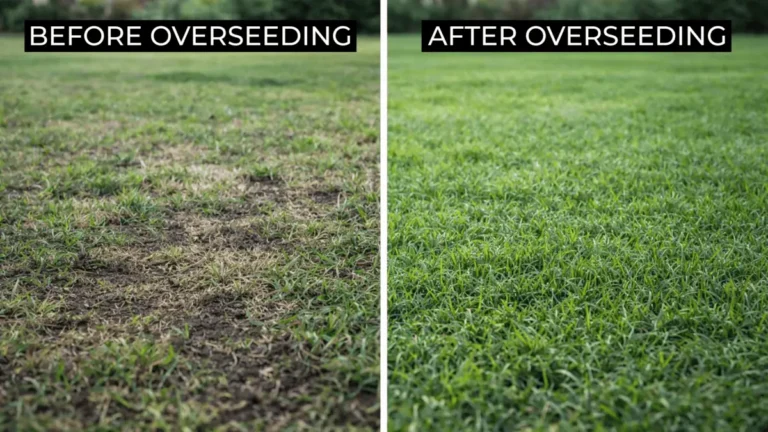
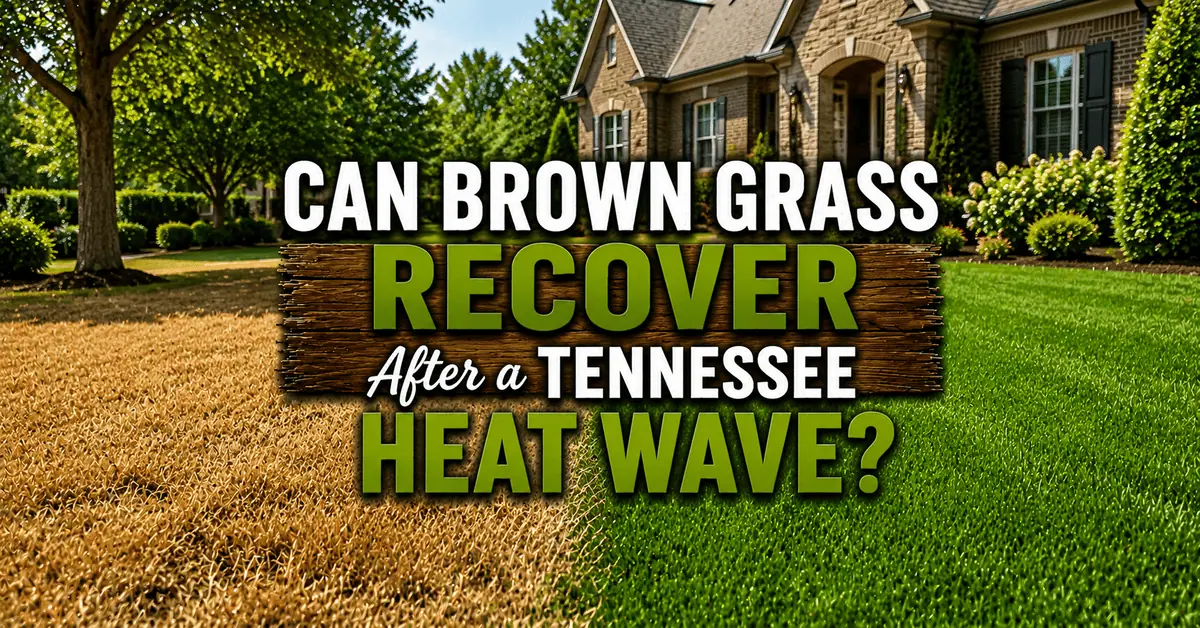
Summer heat can take a toll on your lawn. Find out what causes brown grass and how to bring back a greener, healthier yard.
Brown grass in Tennessee summer is one of the most common concerns homeowners face during periods of extreme heat and drought. If your lawn has started turning brown, you may be wondering whether the grass is dead or simply dormant. Understanding what causes brown grass during a Tennessee summer can help you take the right steps to restore your lawn.
In many cases, grass can recover after a Tennessee heat wave with proper care and maintenance. Understanding the difference between dormant grass and dead grass is the first step toward restoring a healthy, green lawn.
Why Grass Turns Brown During Tennessee Summers
When temperatures rise and moisture becomes scarce, grass naturally enters a survival mode known as dormancy. During dormancy, the lawn slows its growth and conserves energy by turning brown or tan.
This is especially common during extended periods of drought and extreme heat throughout Middle Tennessee. While the lawn may appear unhealthy, dormant grass is often still alive beneath the surface.
Other common causes of brown grass include:
- Insufficient watering
- Soil compaction
- Mowing too short
- Poor irrigation coverage
- Heat stress
- Pest or disease problems
Identifying the cause is essential for determining whether your lawn can recover.
Dormant Grass vs. Dead Grass
One of the most common questions homeowners ask is whether their lawn is dormant or dead.
Dormant grass typically:
- Appears tan or light brown
- Feels dry but remains firmly rooted
- Shows signs of green growth when conditions improve
- Recovers after rainfall or watering
Dead grass often:
- Pulls easily from the soil
- Appears gray or brittle
- Does not respond to watering
- Leaves bare patches throughout the lawn
If you’re unsure, gently tug on several grass blades. If the roots remain firmly attached, there’s a good chance your lawn is dormant and capable of recovery.
How Long Does It Take Brown Grass to Recover?
Recovery time depends on the severity of the heat stress and the overall health of the lawn before the heat wave occurred.
Lawns experiencing mild drought stress may begin showing improvement within a few weeks of receiving adequate water. More severely stressed lawns may take several months to fully recover.
Healthy root systems are often the deciding factor. Lawns that receive regular maintenance and proper watering generally recover faster than neglected lawns.
Water Deeply to Encourage Recovery
Proper watering is one of the most important steps in helping a lawn recover after a heat wave.
Instead of watering lightly every day, focus on deep, thorough watering sessions that encourage roots to grow deeper into the soil. Deep roots help grass access moisture during future periods of drought and heat stress.
Early morning watering is generally most effective because it minimizes evaporation and allows moisture to reach the root zone before temperatures climb.
Check Your Irrigation System
Many lawns develop brown areas because they are not receiving consistent water coverage. Broken sprinkler heads, clogged nozzles, improper scheduling, or uneven distribution can all contribute to drought stress.
A professionally designed irrigation system can help ensure your lawn receives the right amount of water throughout the growing season. At New Growth Landscaping, we provide irrigation services that help homeowners maintain healthier lawns while improving water efficiency. Learn more about our irrigation services here.
Raise Your Mowing Height
After a heat wave, it’s important to avoid placing additional stress on your lawn.
Keeping grass slightly taller during the summer months helps:
- Shade the soil
- Reduce moisture loss
- Encourage deeper root growth
- Improve drought tolerance
Avoid cutting more than one-third of the grass blade during a single mowing session. Gradual mowing is less stressful and supports healthier recovery.
Avoid Excessive Fertilization
While fertilization is important for long-term lawn health, applying heavy fertilizer during extreme heat or immediately after a heat wave can sometimes do more harm than good.
Grass recovering from stress should focus on rebuilding roots and restoring healthy growth. A professional lawn care program can help determine the best timing and application rates based on your lawn’s specific needs.
Improve Soil Conditions
Compacted soil limits water absorption and prevents roots from accessing the moisture they need. Improving soil health can significantly increase a lawn’s ability to recover from drought and heat stress.
Practices such as aeration, proper fertilization, and routine lawn maintenance help create stronger root systems and healthier turf over time.
When to Call a Lawn Care Professional
If large sections of your lawn remain brown despite proper watering and care, it may be time for a professional evaluation.
Issues such as irrigation problems, soil compaction, pests, disease, or severe drought damage often require a more comprehensive solution. Identifying the root cause early can prevent further damage and reduce the cost of recovery.
Helping Your Lawn Bounce Back After Summer Heat
If you’re asking whether brown grass can recover after a Tennessee heat wave, the answer is often yes. Many lawns simply enter dormancy during periods of extreme heat and can return to their healthy green appearance once temperatures moderate and moisture levels improve.
By watering properly, maintaining healthy mowing practices, improving irrigation performance, and investing in regular lawn maintenance, homeowners can help their lawns recover faster and better withstand future Tennessee summers.